

Composite Door Repairs Near Me
Repairing a door is required when a door becomes damaged or is no longer functioning as it should. A broken door is not only ugly, but could also pose a security threat.
Exterior doors are often damaged due to weather or break-ins and interior doors may be damaged due to wear and tear or enthusiastic family members slamming.
Glass Breakage
Glass breakage is common, particularly with older windows and doors that have been in use for some time. It is not always a manufacturing defect and it can be difficult to determine the cause. The sudden rise or decrease of temperature, wind loads or building movement, or installation damage, such as chips along the edge of the glass can all lead to stress concentrations.
Installing basic safety measures is the best way to protect you and your home from glass breakage. You can install a grippy shower floor surface and handrails for your stairs, or add the protection of netting for your windows. They prevent people from falling through the glass or knocking it over. This reduces accidents and acts of vandalism.
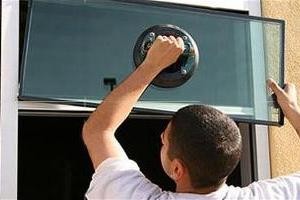
A glazier or window specialist can replace your glass panes swiftly and easily. The glazier will remove the old pane and clean and prepare the area, and glue it back in. They will use a high-quality bonding epoxy to ensure the repair is durable and permanent.
A do-it-yourselfer can also attempt an easy and quick fix for glass cracks by mixing some epoxy and injecting it into cracked areas. Make sure you work in a well-ventilated space and wear nitrile or latex gloves to avoid getting glue on your skin, and always wash your hands after touching any adhesive. The epoxy will cure and make the crack appear invisible and robust enough to withstand normal usage. You can also request your glass repairer to inject a specific resin into the cracks, which will strengthen the glass and stop it from breaking again.
Doors that Stick
In the summer when humidity is at its highest doors may become stuck. This is because wood tends to swell when moisture is present and this could cause the door to rub against the frame when opening and closing it. The good part is that this issue will be resolved once humidity levels are reduced.
The first step to do when a door is sticking is to find the spot in which it is rubbing the frame. You can do this by moving a piece paper or other thin object along the gap and noting where it becomes stuck. Once you have found the area where the door and frame are too close and you have marked it on the door using chalk or pencil. Then, you can employ a block plane trim off the excess wood in the trouble area of the door. Make sure you only remove only a small amount of wood from the edges of the door, as you want to maintain its structural integrity.
After you've cut off the wood that is left over from the door, you should be able to shut and open the door without it sticking anymore. If the problem persists you might want to seek out an experienced contractor to resolve the issues that are causing your doors to become stuck.
If you're considering replacing your damaged or old doors with new composite doors, get in touch with an knowledgeable Ontario installer to discuss the advantages of these modern products. Not only are they durable and weatherproof, they also provide better energy efficiency and elevate your home's security and curb appeal. Installing them is simple and quick and will save you the hassle of a stuck door season after season.
Sagging Frames
The frame of a front door is the part that supports the hinges. It is essential that the frame is sturdy enough to keep your home safe particularly since the door will be the first thing that people see when they arrive at your home. If your front door made of composite begins to lose its elasticity it could cause damage and lead to further issues. Sagging frames can be easily fixed. The most frequent cause is loose or missing screws in the hinges, which can cause the door to move out of alignment. If tightening the hinge screws doesn't work, you can take a look and remove any shims or spacers from the top hinge. These are often used by previous owners to force a wider, heavier door to fit into an even narrower frame. They are easily removed.
The creaking of the door when it is closed and opened is another common problem. It's usually caused by the hinges rubbing together as they move. It is possible to fix this by lubricating your hinges. This should be done regularly to avoid the issue from occurring again in the future.
If you notice any of these issues with your composite doors, it is recommended that you locate a FENSA-approved installer in your area and have the repairs done as quickly as you can. RepairMyWindowsAndDoors can be assured that the work will be completed to a high-standard and last for a long time. You can also be sure that your contractor is thoroughly vetted and is going to provide the best possible service for your property. No matter if you require a simple repair or are looking for a new front door made of composite You can rely on an FENSA certified installer to do the job correctly.
Rusty Hinges
The hinge is a key element of a door, and can wear out with time. This is because of weathering and usage. This can lead to it becoming stiff and difficult to open or close, and may cause squeaking or creaking noises that can be disruptive. Replacing rusty door hinges is an easy home maintenance task that can improve the aesthetics and functionality of your doors.
Rust can cause your hinges to weaken and become brittle. It is important to inspect them regularly for indications of damage. Replace the bushing or pin in the event that you spot holes or you notice that it is broken or cracked. You can also lubricate your hinges with oil to keep them running smoothly.
Replacing the hinges on your composite doors could be costly. However, if they're old and worn, it may be worth it to replace them with new ones. Newer hinges have been designed to last longer, and are more durable than older models. They also have a lower noise level than older models.
You can fix rusty hinges that creak using WD-40 or any other spray oil. This will allow hinges to move freely and stop any annoying noises.
You can also install an extra hinge protector for your door to prevent children from sticking their finger in the door and causing injuries. The guards are available for residential doors at a cost of $20 to $25 and can be installed by an expert. You can also add a vinyl bulb weather strip to the door jamb to stop moisture from entering and causing swells or sticking.